Iranian culture flourishes with a profound connection to history, enriched by its diverse
artistic, literary, and religious traditions. The theme of martyrdom, deeply embedded in Shiʿi
culture, emanates resilience and unity, stemming from events like the Battle of Karbala in 680
AD, where the third imam, al-Ḥusayn ibn ʿAlī, exemplified unwavering dedication to principles.
This commemoration during ʿĀshūrāʾ serves as a poignant reminder of courage and solidarity,
inspiring reverence and fortitude among Iranians.
The enduring influence of Karbala permeates all aspects of Persian culture, infusing poetry,
music, and spiritual ethos with a profound sense of purpose and community. Despite modernization
efforts, Iranian society maintains a profound appreciation for tradition and heritage, fostering
a sense of cultural cohesion and pride. This steadfast adherence to cherished customs fosters a
sense of belonging and continuity, enriching the fabric of Iranian identity.
Iranians joyously celebrate a tapestry of festivals, each imbued with vibrant traditions and
heartfelt rituals. From the jubilant gatherings of Eid al-Adha and Eid al-Fitr to the exuberant
festivities of Nōrūz, the Persian New Year, and the luminous commemorations of the 12th imam's
birthday, the Iranian calendar brims with moments of communal joy and shared camaraderie. These
celebrations serve as vibrant expressions of cultural resilience and communal harmony,
reinforcing bonds of kinship and collective heritage
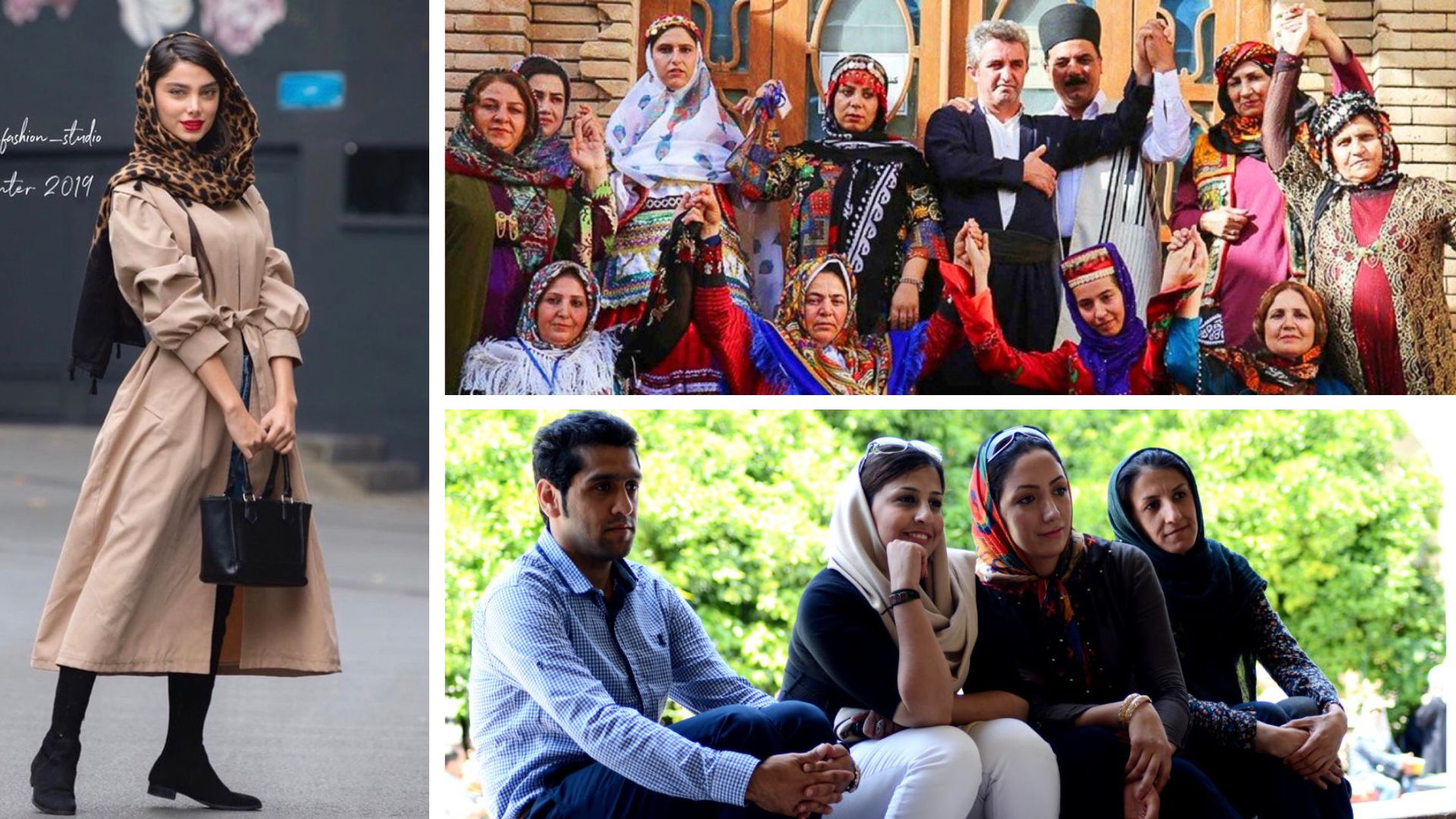
Iran Clothing
Men's
Clothing :
Traditional Iranian men's clothing typically includes a long, loose-fitting tunic known as a
"qaba" or "kamiz," often worn over trousers called "shalvar" or "shalwar".
Women's
Clothing :
Women's attire in Iran is characterized by modesty and often consists of several layers. The
traditional dress for women includes a long, flowing robe called a "chador" or "manteau," worn
over trousers or a skirt.
Modern
Fashion :
In addition to traditional attire, modern Iranian fashion incorporates elements of Western
styles and trends, particularly among urban youth and in cosmopolitan areas.
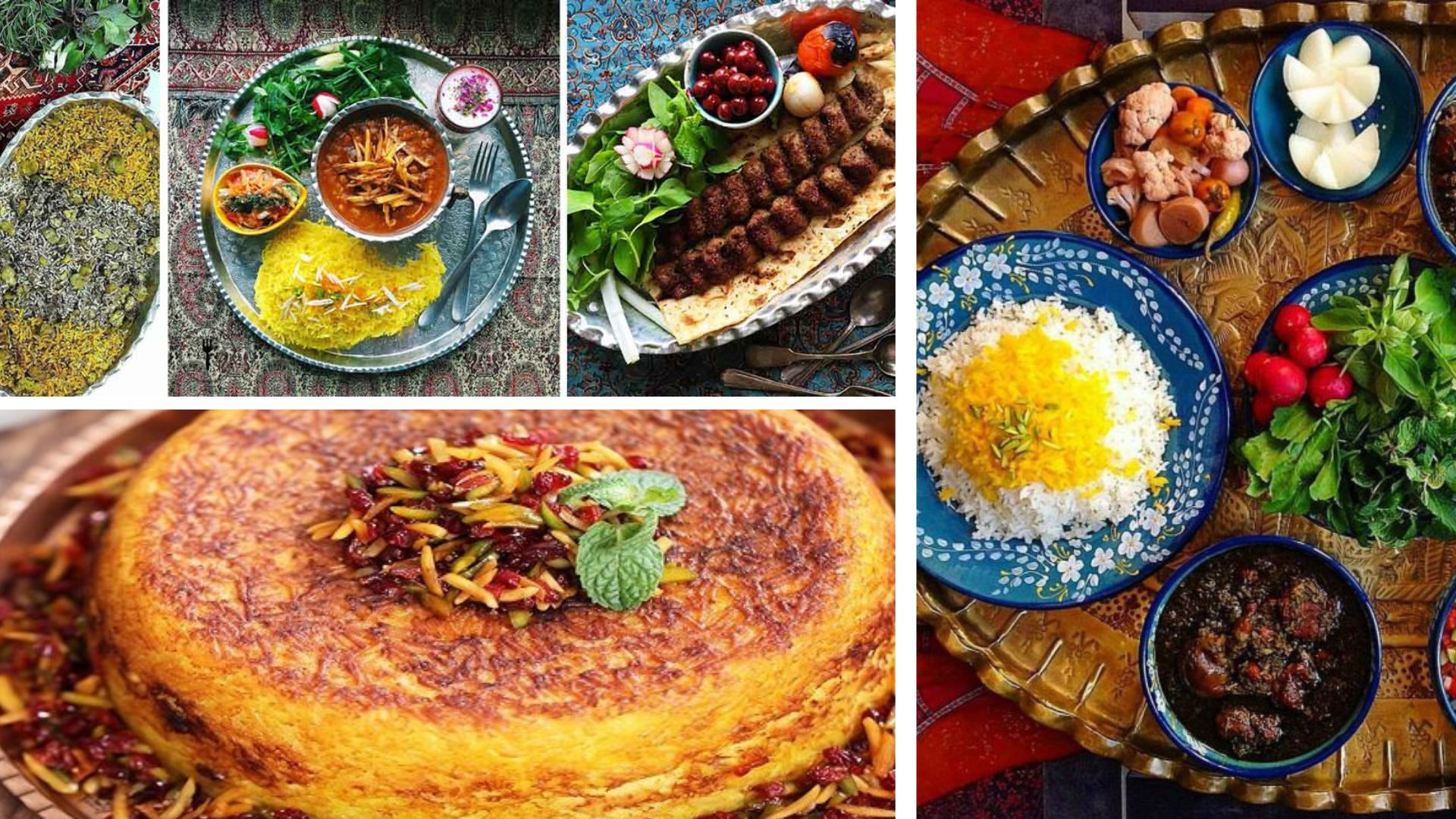
Iran Food
IKebab
:
IKebab is a very well-known food worldwide. It is a Middle-Eastern dish. Almost all kinds of
meat including cut up meat, ground meat, chicken, or even seafood can be cooked on a skewer.
Ghormeh
Sabzi :
Ghormeh Sabzi is the most famous Persian stew and of course the most delicious one.
Koofteh
Tabrizi :Koofteh Tabrizi is a traditional Iranian food originally cooked and served in
Tabriz but is also cooked in other cities if there are any Tabrizi chef.
Fesenjan
:
Khoresh Fesenjan or Fesenjan is an Iranian stew (Khoresh) with a magnificent sweet-sour taste.
It is one of the most favourite foods in Iran and the one that is often served in family parties
or weddings.
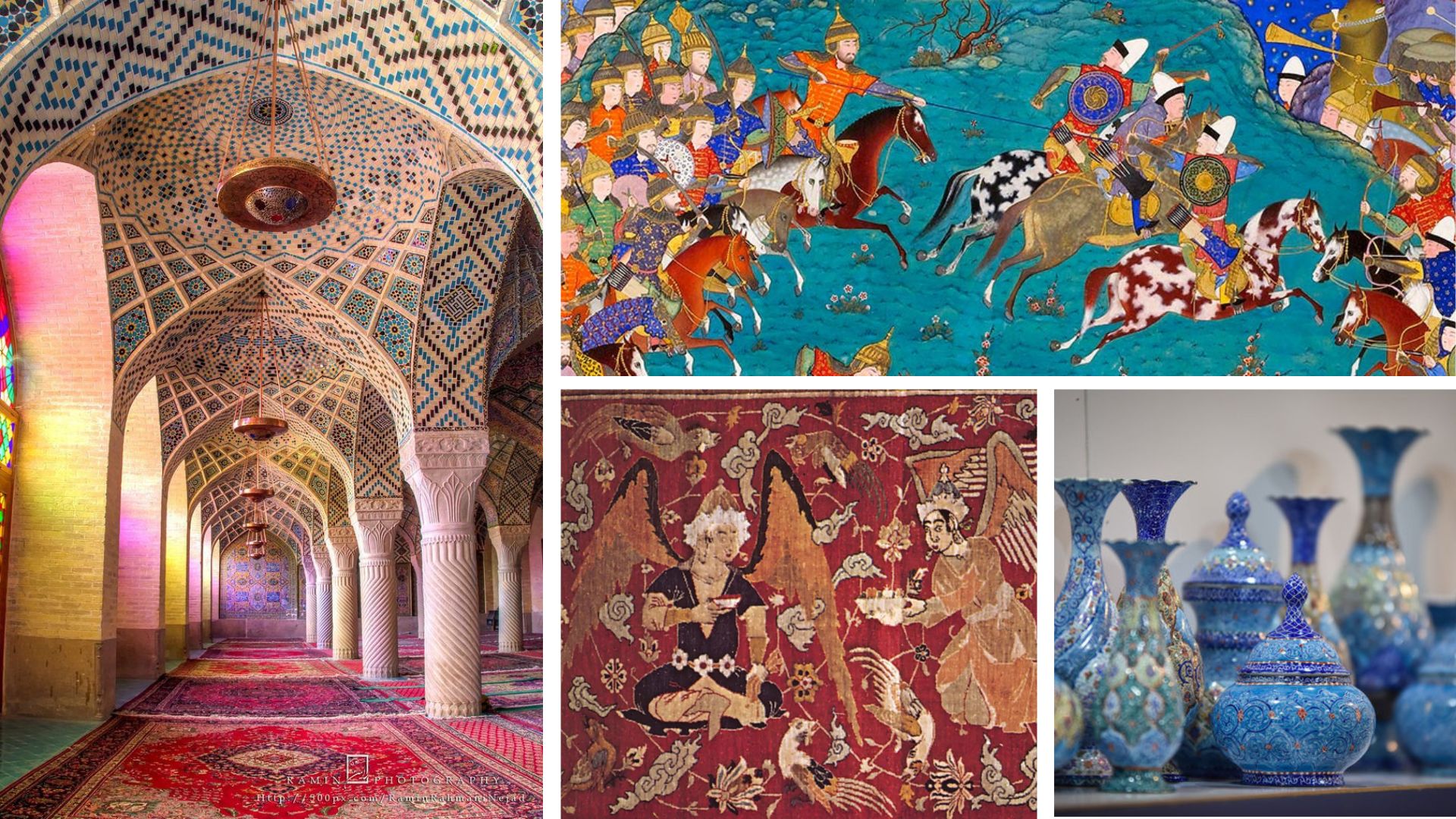
Iran Art
Crafts
:Iranian craftsmanship is exemplified by the intricate art of carpet weaving.
Architecture
: Iran's architectural legacy is a testament to its ancient culture.
Visual
Arts
: While Islamic culture historically shied away from graphic depictions, Persian
miniature painting emerged as a notable exception, renowned for its intricate detail and vibrant
colours.
Cinema
:Iran's film industry is renowned for its social and political commentary, often
navigating the complexities of Iranian society with nuance and depth.Despite initial
restrictions on filmmaking after the 1979 revolution, Iranian directors have garnered
international acclaim for their exploration of diverse themes and storytelling techniques
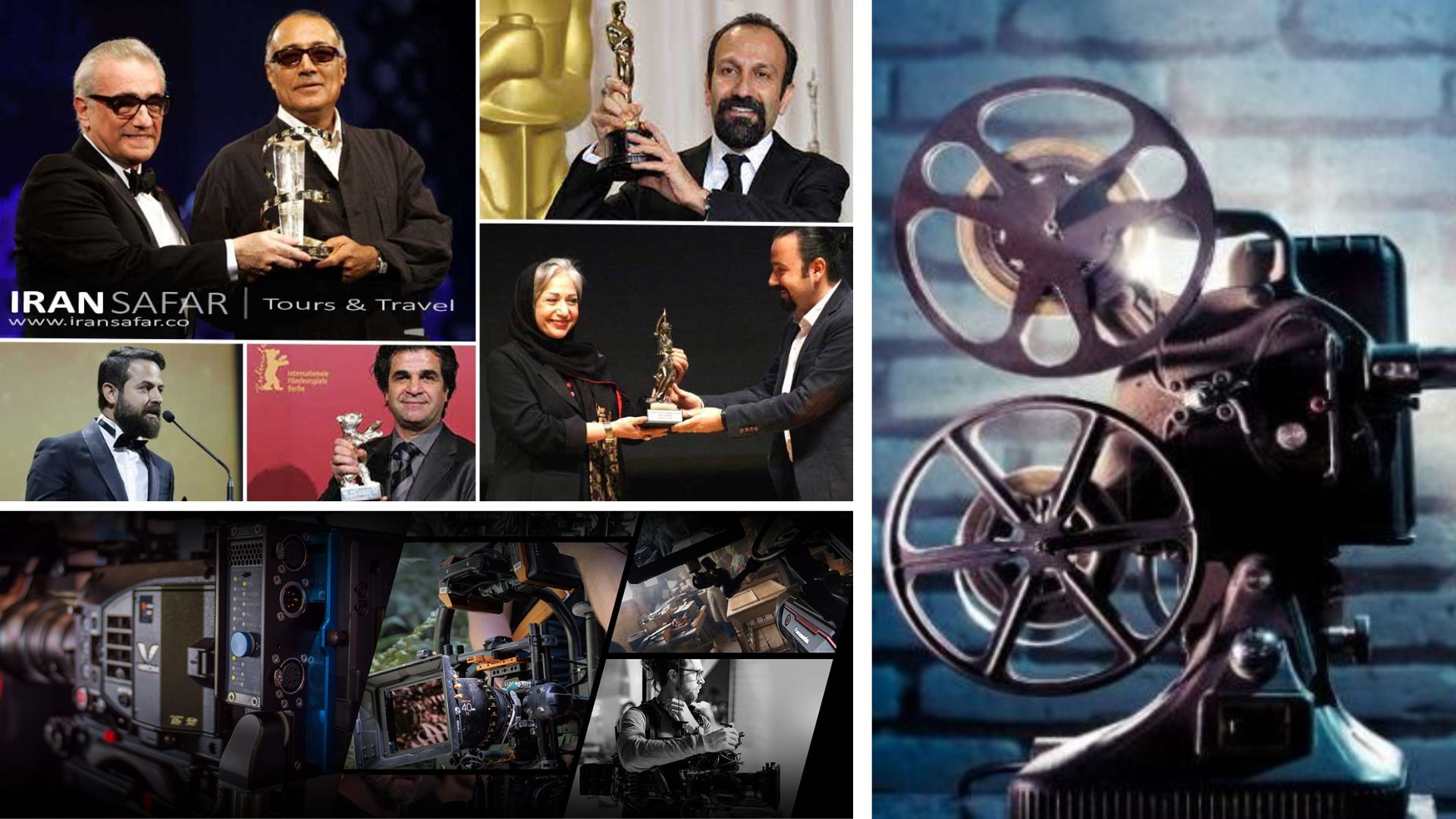
Iran Film Industry
Post-Revolutionary Evolution
:Initially, filmmaking was banned after the 1979 revolution, but later, directors
received government support to promote Islamic values.
Diverse Themes
:Films addressing topics like the Iran-Iraq War and Sufi mysticism gained popularity,
challenging traditional narratives.
Emergence of New Voices
:A new generation of women directors, including Rakhshan Bani Eʿtemad and Tahmineh
Milani, has emerged, bringing fresh perspectives to Iranian cinema
Diverse Storytelling
: Iranian filmmakers explore a range of themes, from childhood experiences to social
issues like marriage and divorce, contributing to the industry's global appeal.

Iran Economy
Economic
Growth
:
The country has shown resilience, with a GDP growth rate of 3.8% annually in 2022, as reported
by the World Bank.
Diversification Efforts
:This plan aimed for a robust annual economic growth of 8%, demonstrating the
government's commitment to fostering economic resilience and technological progress.
Recovery and Adaptation
:
Over the last two years, Iran's economy has rebounded, supported by post-pandemic service sector
recovery and increased activity in the oil sector.
Positive Indicators
:Notably, Iran's GDP per capita stood at 4,669.57 USD in 2022, reflecting a steady
increase in economic prosperity.